Rental Property Insurance Cost
Direct answer
How much does rental property insurance cost cost?
Rental Property Insurance Cost is about understanding where coverage, exclusions, deductibles, limits and carrier rules can affect a household, property owner or business. The right answer usually depends on the property, assets, use case, claims history, risk tolerance and how the policy is written.
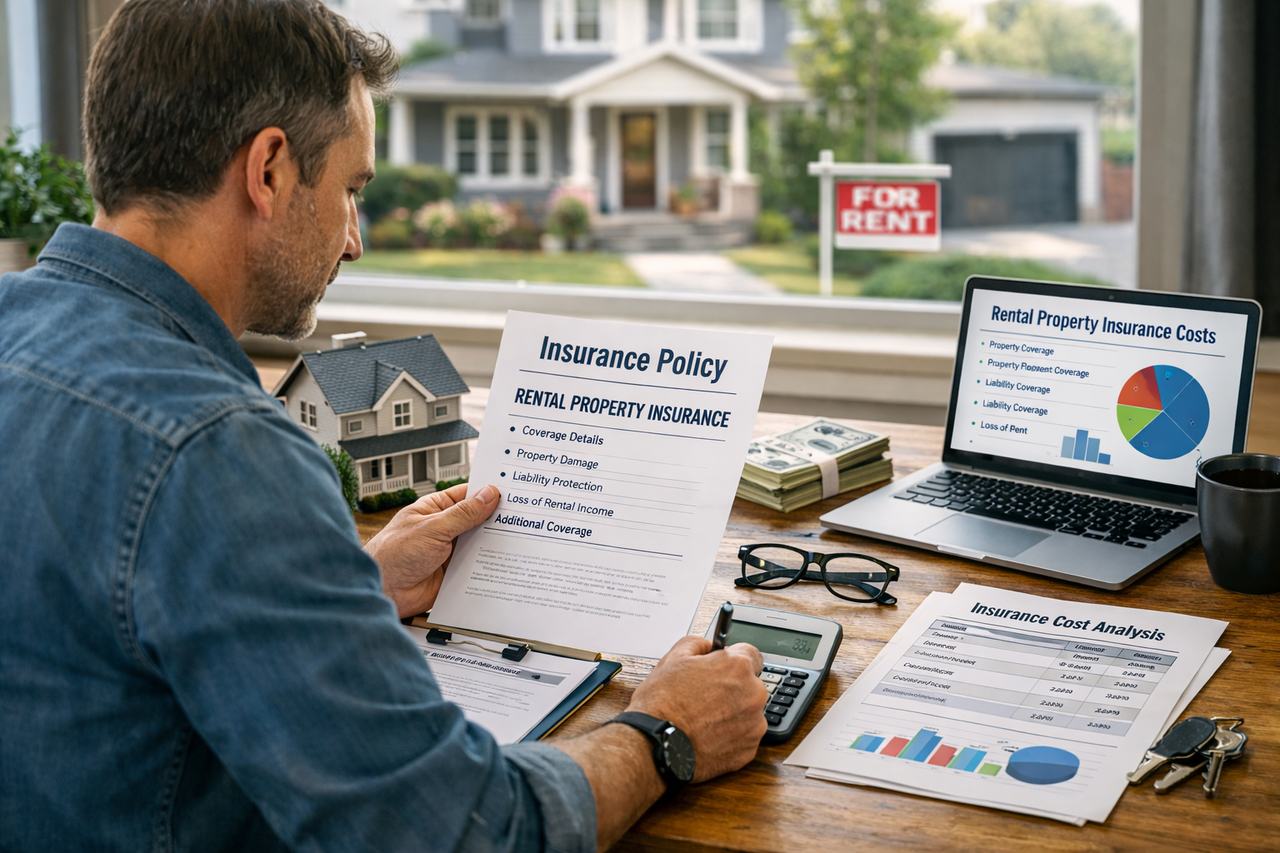
Rental property insurance cost varies widely depending on the property, location, and level of protection you choose. Most real estate investors find that landlord insurance costs roughly 15 percent to 30 percent more than a standard homeowners policy for the same property.
The increase reflects the additional risk associated with rental property ownership including tenant occupancy, liability exposure, and loss of rental income after a covered claim.
If you own rental property or are planning to purchase an investment property, understanding how insurance pricing works can help you protect cash flow and avoid coverage gaps.
Many investors underestimate how much insurance affects deal performance. A property that appears profitable on paper can lose meaningful cash flow if insurance costs are significantly higher than expected. Always include insurance estimates when analyzing rental property investments.
Average Rental Property Insurance Cost
National averages vary by property type and region, but many rental property owners see annual premiums in the following ranges.
- Single family rental home: $1,200 to $2,500 per year
- Duplex or small multifamily: $2,000 to $4,000 per year
- High value or coastal property: $3,000 to $6,000+ per year
Properties located in areas with hurricane risk, wildfire exposure, or high litigation environments often experience higher premiums.
What Drives Rental Property Insurance Pricing
Insurance carriers evaluate multiple factors when determining rental property premiums.
Property Location
Location is one of the biggest drivers of insurance cost. Coastal areas, hurricane zones, and regions with frequent natural disasters generally have higher premiums.
Property Age and Condition
Older properties or homes with outdated roofs, plumbing, or electrical systems can increase insurance costs significantly.
Replacement Cost
Insurance is priced based on the cost to rebuild the property rather than the market value of the home.
Coverage Limits
Higher dwelling coverage, liability protection, and optional endorsements will increase premiums but may provide stronger risk protection.
Claims History
Prior insurance claims for the property or owner can increase the cost of future coverage.
What Rental Property Insurance Typically Covers
Most landlord insurance policies include three core protections.
- Dwelling coverage protecting the structure
- Liability protection for tenant or guest injuries
- Loss of rental income after covered damage
If you want a deeper breakdown of landlord coverage details see our guide:
What Landlord Insurance Covers
What Is Not Usually Covered
Standard landlord insurance policies exclude several common risks including:
- Tenant property damage
- Normal wear and tear
- Flood damage without flood insurance
- Earthquake damage in most areas
Learn more in our detailed guide:
What Landlord Insurance Does Not Cover
Insurance costs should always be included in your investment underwriting. When analyzing rental property deals many investors combine insurance estimates with financing analysis such as DSCR loans or rental property financing to determine long term cash flow stability.
Insurance Cost and Rental Property Financing
If you finance investment property using investor loans, insurance costs directly affect loan qualification and property cash flow metrics.
For example lenders offering debt service coverage ratio loans evaluate the rental income relative to expenses including insurance.
Learn more about financing investment properties:
How Investors Reduce Insurance Costs
Experienced rental property investors often reduce insurance costs through a few strategic steps.
- Maintaining newer roofs and updated systems
- Bundling multiple properties with one carrier
- Increasing deductibles to lower premiums
- Using umbrella liability coverage across a portfolio
Investors managing several properties often combine landlord policies with additional liability protection.
Learn more about umbrella insurance for real estate investors
Insurance and Long Term Rental Property Risk
Insurance is only one piece of protecting a rental property portfolio. Investors also need to consider tenant risk, vacancy exposure, and property maintenance costs.
These broader risk considerations are explored in several landlord decision tools available through our property management resource site.
- What One Bad Tenant Really Costs
- How Much Risk Can I Afford As A Landlord
- Is My Rental Still Worth Keeping
Missouri Rental Property Insurance
Missouri investors often benefit from competitive insurance markets and lower catastrophe risk compared to coastal states. Coverage options may include replacement cost policies, liability protection, and optional endorsements for rental income protection.
Kansas Rental Property Insurance
Kansas rental property insurance policies typically emphasize liability protection and structural coverage. Wind and hail exposure can affect pricing in some areas depending on property location and building age.
If you own rental property in Missouri or Kansas and want help reviewing landlord insurance options, we can help you compare policies across multiple carriers and design coverage that protects your investment property portfolio.
Get An Insurance Quote
Related Insurance And Investor Resources
- Investor Insurance Hub
- Landlord Insurance Guide
- How Landlord Insurance Is Priced
- Rental Property Liability Insurance
- How Much Landlord Insurance Do I Need
Frequently asked questions
What should I know about Rental Property Insurance Cost?
Rental Property Insurance Cost should be reviewed in the context of your actual risk, not only the lowest premium. Policy language, endorsements and carrier appetite can change the practical answer.
How can I avoid coverage gaps?
Share accurate property, vehicle, business or rental details with your agent, review exclusions and ask how deductibles and limits would apply in a realistic claim.
When should I request a review?
Request a review before renewals, after major purchases, after property changes, when adding rentals or vehicles, or any time your financial exposure changes.

Missouri and Kansas Insurance Agent
Work With Tracy Fitch
Missouri and Kansas clients can work with Tracy Fitch, a property and casualty licensed insurance agent with more than a decade of insurance experience. Tracy helps clients review coverage, compare options, request policy changes, and understand next steps for home, auto, landlord, umbrella, renters, boat, RV, and business insurance.
Office: 212 W Mill St, Liberty, MO 64068
Email tfitch@hensonagency.com or call 816-479-4189.